Low-Noise Living, High-Quality Days
Quiet Foundations at Home
Understanding Decibels and Wellbeing
Decibels measure sound pressure on a logarithmic scale, where roughly ten decibels can feel about twice as loud. Many sleep researchers aim for bedrooms near thirty decibels at night, because persistent noise links to stress, fragmented sleep, and elevated blood pressure. Context matters, though. Awareness empowers wiser choices: soften echoes, reduce peaks, and protect restorative silence without becoming rigid or anxious about every measurement.
Mapping Your Daily Soundscape
Spend two days noting where, when, and why sounds spike. Free apps can estimate levels, but simple journaling captures feelings and triggers that numbers miss. Identify repeating culprits like slamming cupboards, upstairs footsteps, or early garbage collection. Circle windows, vents, and doors that leak noise. This map directs effort strategically, making each small adjustment meaningful, measurable, and kind to your routines.
Designing Spaces That Whisper
Soft Surfaces, Smart Layers
Sealing Gaps and Taming Vibrations
Zoning for Focus, Rest, and Play
Technology That Listens, Not Shouts
Choosing Quieter Appliances
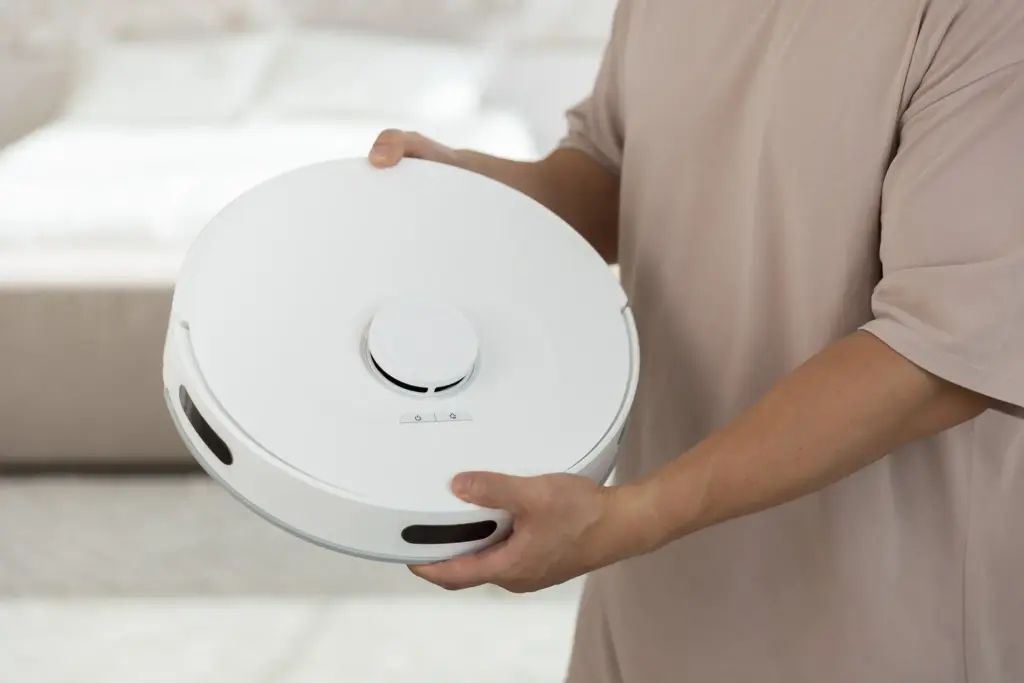
Look for dishwashers in the low-forty decibel range, inverter refrigerators, and ceiling fans with efficient blades and balanced mounts. A quiet washing machine on isolation pads calms weekends. Favor energy-efficient models; they often hum less. Read real-world reviews focused on tone as much as volume. Maintenance matters: clean filters, level feet, and tighten panels to keep even good machines serenely unobtrusive.
Sound-Savvy Workstations
Tame laptop fans with passive cooling stands and considerate power profiles. Use external microphones and pop filters to reduce sensitivity, enabling lower gain settings. Pick mechanical keyboards with dampers or choose silent switches. Add a desk mat to absorb clatter. Encourage thoughtful meeting etiquette, like muting by default. Together these modest tweaks reduce fatigue, protect focus, and elevate call quality.
Automation With Respectful Alerts
Replace jarring tones with subtle haptics, soft chimes, or LED cues. Batch notifications into scheduled digests. Set doorbells to quieter profiles after dusk. Program smart scenes that dim lights and delay non-urgent alerts during rest windows. Calmer signals cut startle responses, protect deep work, and avoid waking children. Quiet technology still communicates; it simply chooses kindness as the default.
Habits That Lower the Volume
Morning Routines That Begin Softly
Communication and Community Etiquette
Microbreaks and Mindful Listening
Urban Peace and Travel Tactics
Commuting With Quieter Choices
Select train cars near the middle, avoid wheel assemblies, and face away from doors. On buses, sit forward of the engine bay. Use noise-cancelling headphones thoughtfully, toggling transparency for safety. Plan routes with calmer transfers when possible. Tiny, repeatable choices shave stress, turning daily travel into a buffer rather than a drain, protecting energy for work and evening connection.
Finding Calm in Public Spaces
Scout libraries, quiet cafes, and parks with tree cover that diffuses road noise. Build playlists with gentle brown or pink noise to mask chatter. Understand differences: white noise is brighter, pink and brown emphasize soothing lower frequencies. Carry a scarf to soften echo on tabletops. With intention, even bustling neighborhoods offer pockets of hush where focus or recovery can flourish.
Simple Metrics That Matter
Stories From Neighbors and Friends
Join the Conversation and Share Experiments
Measuring Progress and Staying Inspired

All Rights Reserved.