Hushed Comfort: Your Guide to Whisper-Quiet Living
Today we focus on choosing quiet home appliances and HVAC systems, turning background clatter into a gentle hush. Learn how decibels, sones, and airflow shape noise; discover models, installation tricks, maintenance habits, and smart scheduling that protect sleep and concentration. Real stories, practical checklists, and science-backed insights help you compare confidently and build a calmer kitchen, laundry, and whole‑house climate without sacrificing performance, safety, reliability, or energy efficiency in everyday life.

Understanding Sound: Decibels, Sones, and What Ears Actually Notice
Noise is not only about volume; perception depends on frequency, duration, and context. A steady broadband whisper can be less annoying than a faint high‑pitched whine that slices attention. We translate decibels and sones into everyday meaning, explain why logarithmic scales mislead shoppers, and show how low‑frequency rumble travels through structure. With relatable examples and simple comparisons, you will judge labels confidently and trust your senses without guesswork or regrets.
Kitchen Serenity: Refrigerators, Dishwashers, and Hoods That Whisper
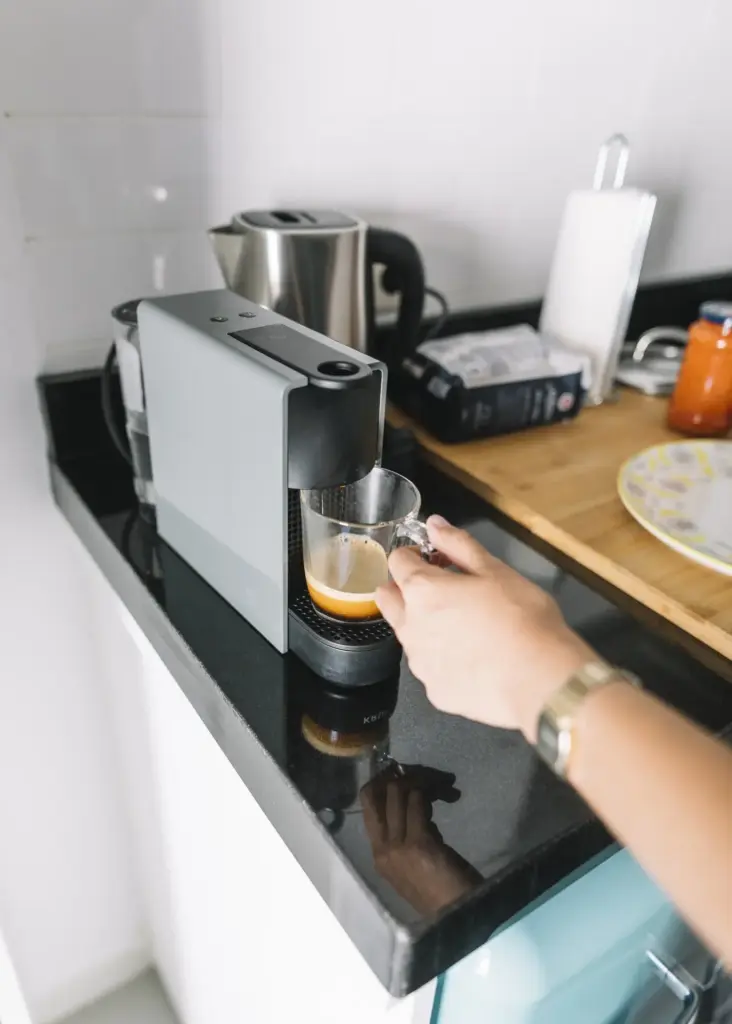
The kitchen never truly sleeps, so small design choices matter. Silent nights start with compressors that ramp smoothly, dishwashers that seal and cushion splashes, and hoods designed for airflow without turbulence. We share model‑agnostic features to value, red flags to avoid, and placement strategies that prevent cabinet buzz. Learn how to compare dBA claims responsibly, interpret sone ranges, and build a kitchen that sounds like calm conversation even during busy dinners.
Front‑Loaders and Direct‑Drive Balance
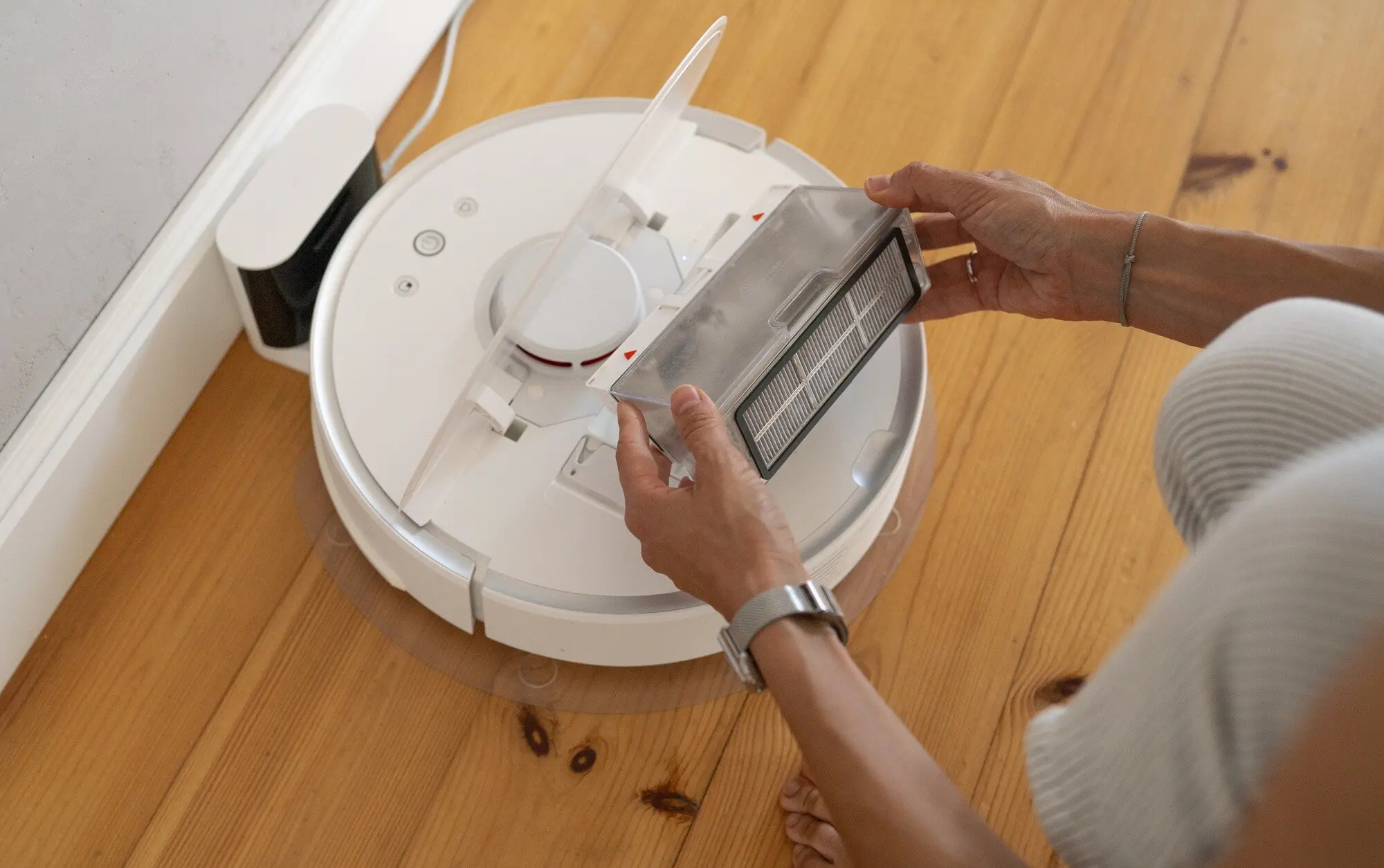
Front‑loaders with direct‑drive motors eliminate belt squeal and allow gentle ramping into spin. Load evenly, avoid single bulky items, and choose 1,200 rpm over extreme speeds when floors flex. Place machines on a concrete slab if possible, or stiffen wood floors with added plywood and blocking. Recheck leveling quarterly; a quarter‑turn on one foot can stop a migrating rumble. This careful setup usually beats any aftermarket silencing gimmicks.
Heat Pump Dryers and Venting Choices
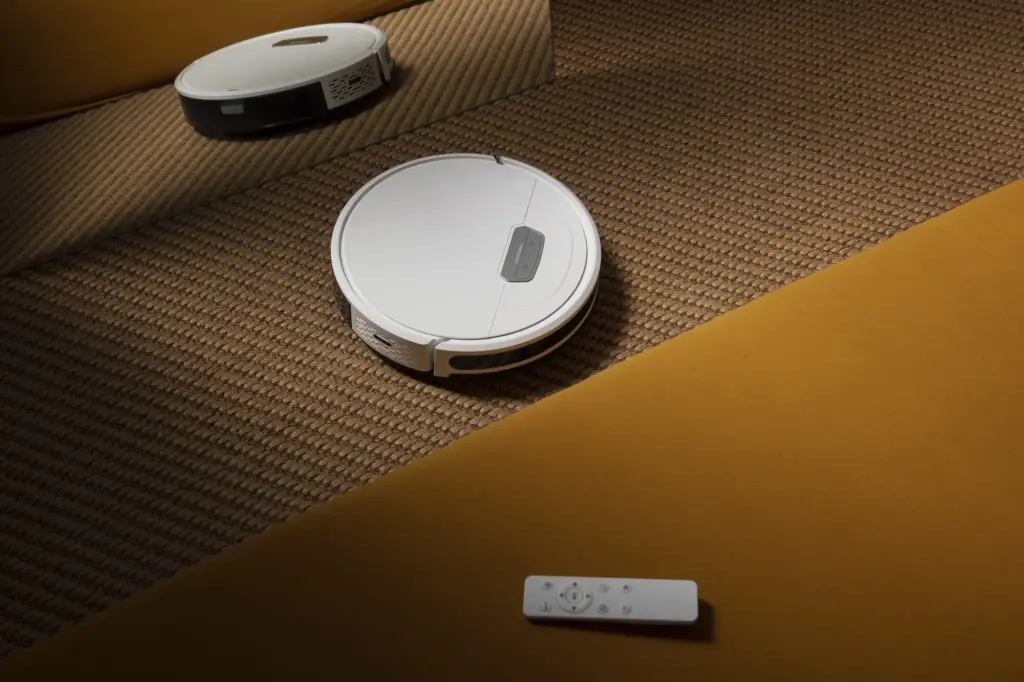
Heat pump dryers run cooler and often quieter, replacing the rush of hot air with gentle, efficient circulation. Their compressors hum softly when mounted well, and lint tends to stay captured inside filters, reducing whoosh at exterior caps. For vented units, oversized rigid ducts and smooth turns cut hiss dramatically. Keep exterior caps clean and articulated flaps loose so they swing freely; a sticky flap can become a surprisingly shrill whistle.
HVAC Without the Howl: Heat Pumps, Furnaces, and Ducts That Breathe
Quiet climate control hinges on variable speeds, generous duct sizing, and smart placement. We explain why inverter compressors whisper, how electronically commutated motors avoid gusty blasts, and where to locate equipment so bedrooms stay tranquil. Duct design, return sizing, and filter selection shape airflow tone as much as any fan. With methodical commissioning and minor retrofits, your system can deliver steady comfort while sounding like distant leaves rather than a jet taking off.
Positioning Changes Everything
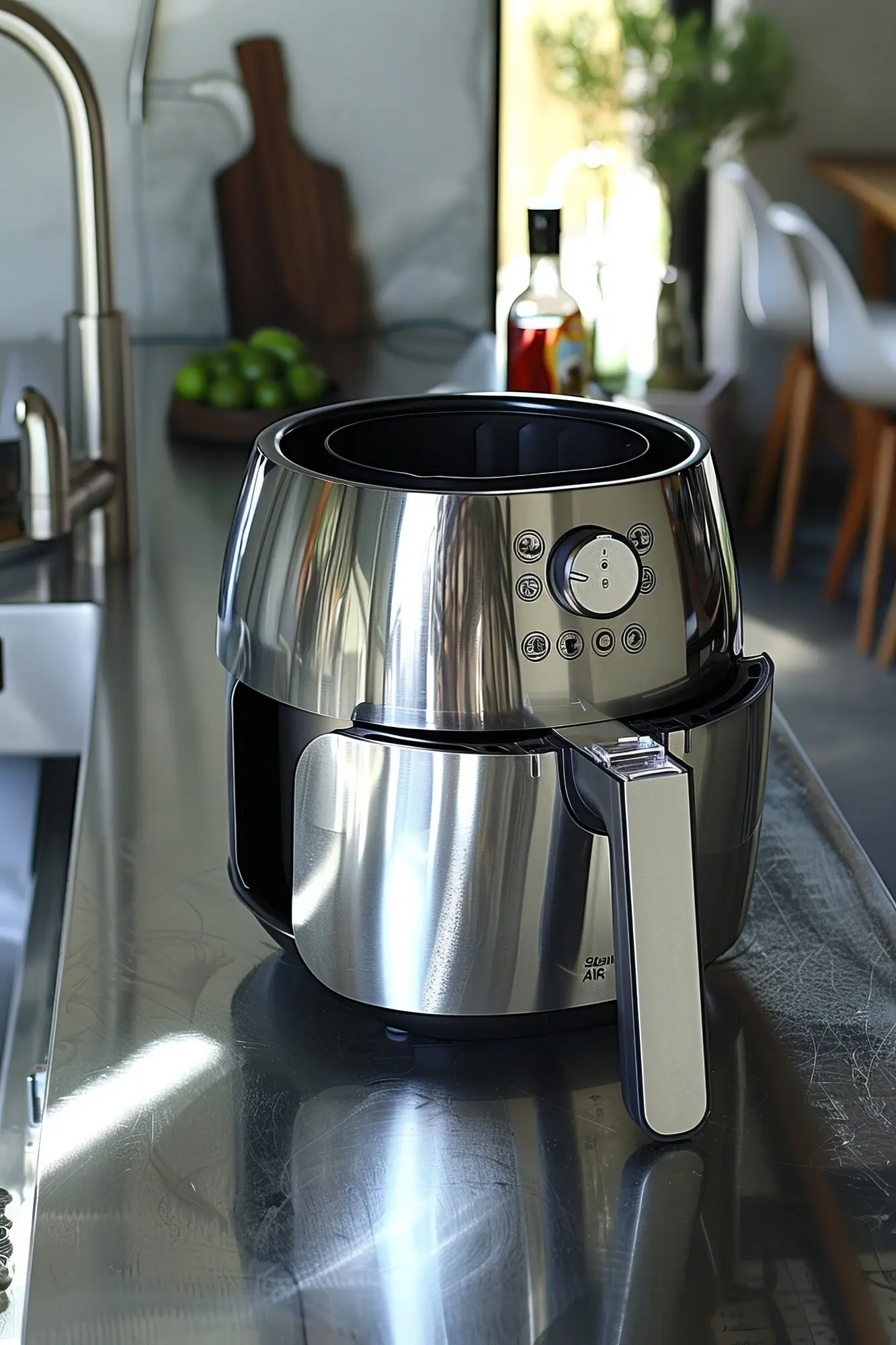
Refrigerators should not press hard against side cabinets; leave a slim gap and add felt to touch points. Place outdoor condensers away from bedroom lines of sight, facing open space rather than echoing corners. For hoods, keep short duct runs with gentle turns. On countertops, avoid resting small appliances on hollow shelves that resonate like drums. A few inches of relocation and compliant pads frequently cut perceived loudness more than any specification sheet promises.
Seals, Gaskets, and Airtight Paths
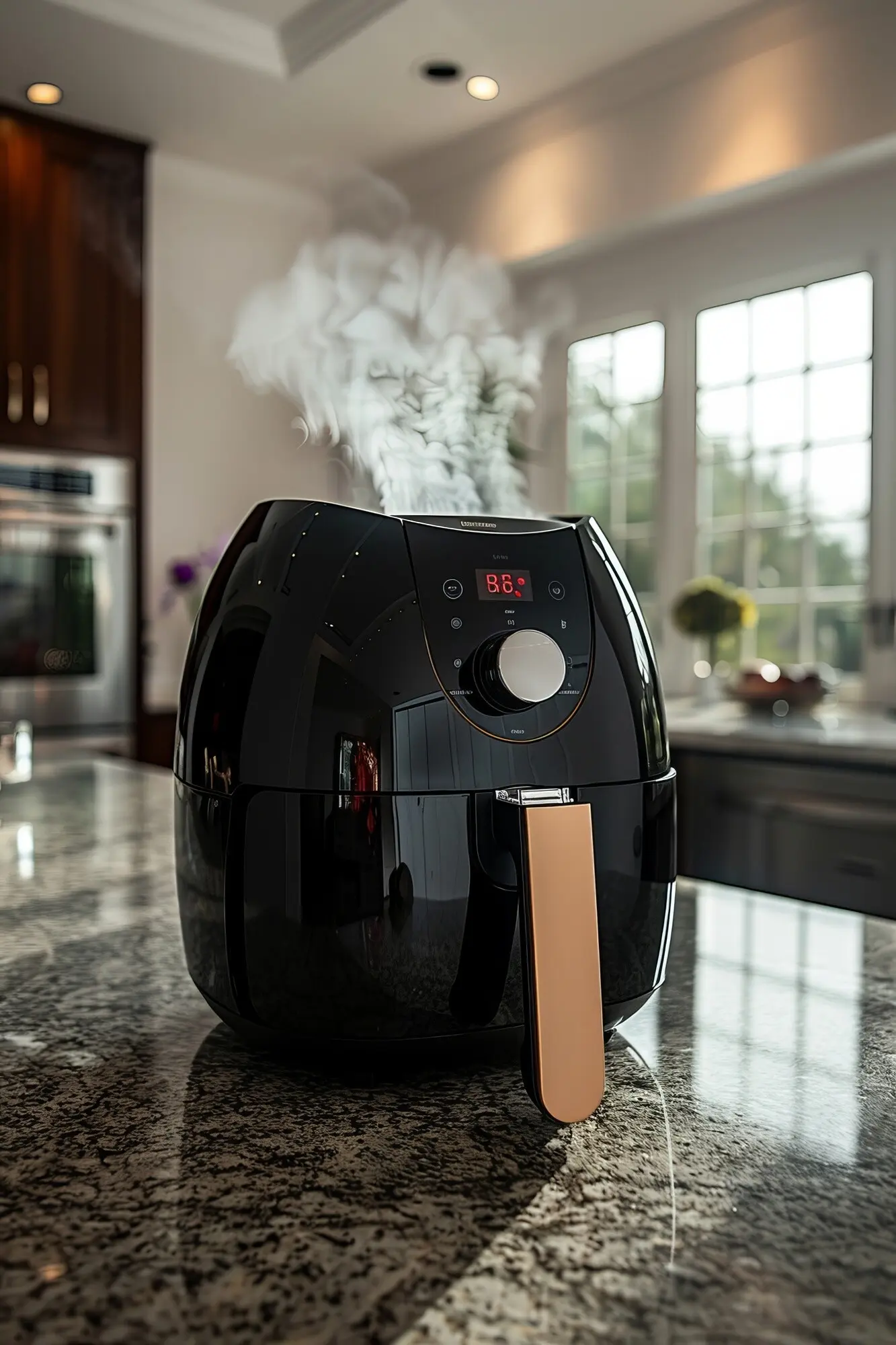
Air hates obstacles and loves leaks that whistle. Seal duct joints with mastic rather than flimsy tape, use proper gaskets on access panels, and tighten dishwasher insulation blankets evenly. Add acoustic caulk where panels meet, and cushion toe‑kick grills that chatter. Ensure hood transitions fit snugly, removing mesh screens that create shrill turbulence. When pathways are smooth and sealed, fans can slow down, tones vanish, and your ears finally relax.
A City Kitchen That Finally Slept
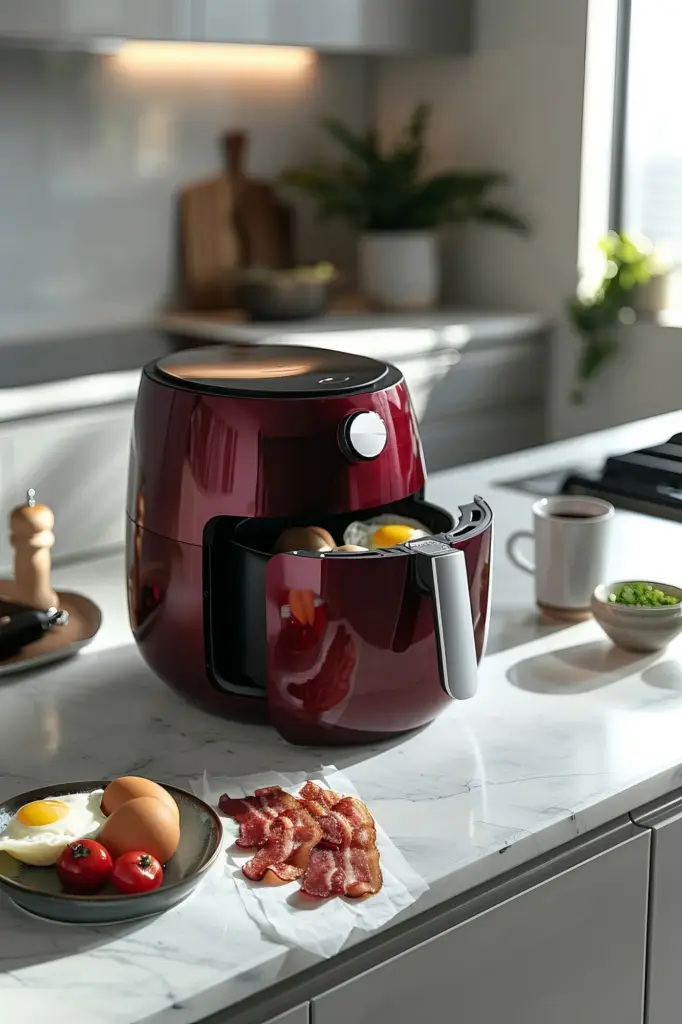
A small apartment swapped a 55 dBA dishwasher for a 44 dBA model with a stainless tub and better spray paths. Felt pads quieted a rattling panel, and a hood upgrade to an inline blower with a smooth six‑inch round duct cut hiss profoundly. After dinner, night‑mode cycles run automatically. The result: conversation without raised voices and a cat that no longer flees to the bedroom during cleanup.
A Suburban Heat Pump That Stopped Complaints
Neighbors grumbled about a backyard unit echoing between fences. Relocating the condenser three feet, adding isolation pads, and upgrading to an inverter compressor calmed the tone. A short acoustic fence panel deflected reflections upward, and flexible line‑set hangers killed a wall buzz. Indoors, variable fan ramps keep bedrooms peaceful. Energy bills dipped modestly, comfort rose noticeably, and weekend barbecues reclaimed their relaxed soundtrack without mechanical intrusion.
Budget, Energy, and Care: Calm Without Compromise
Silence and savings can align when you invest where physics pays back. Prioritize variable‑speed cores, aerodynamic paths, and installation finesse before chasing exotic accessories. Efficiency upgrades often reduce noise by lowering airflow turbulence and motor stress. With a tidy maintenance rhythm, even modestly priced equipment stays polite for years. We map smart spending tiers, ongoing care habits, and small automations that keep your home unflappably peaceful through seasons and schedule changes.


All Rights Reserved.